One of the coolest things I learned when I started working with OCD was an idea called inhibitory learning. It changed how I look at anxiety in general.
I used to think about anxiety treatment the way many people do. You learn that something is scary, and then therapy helps you unlearn it.
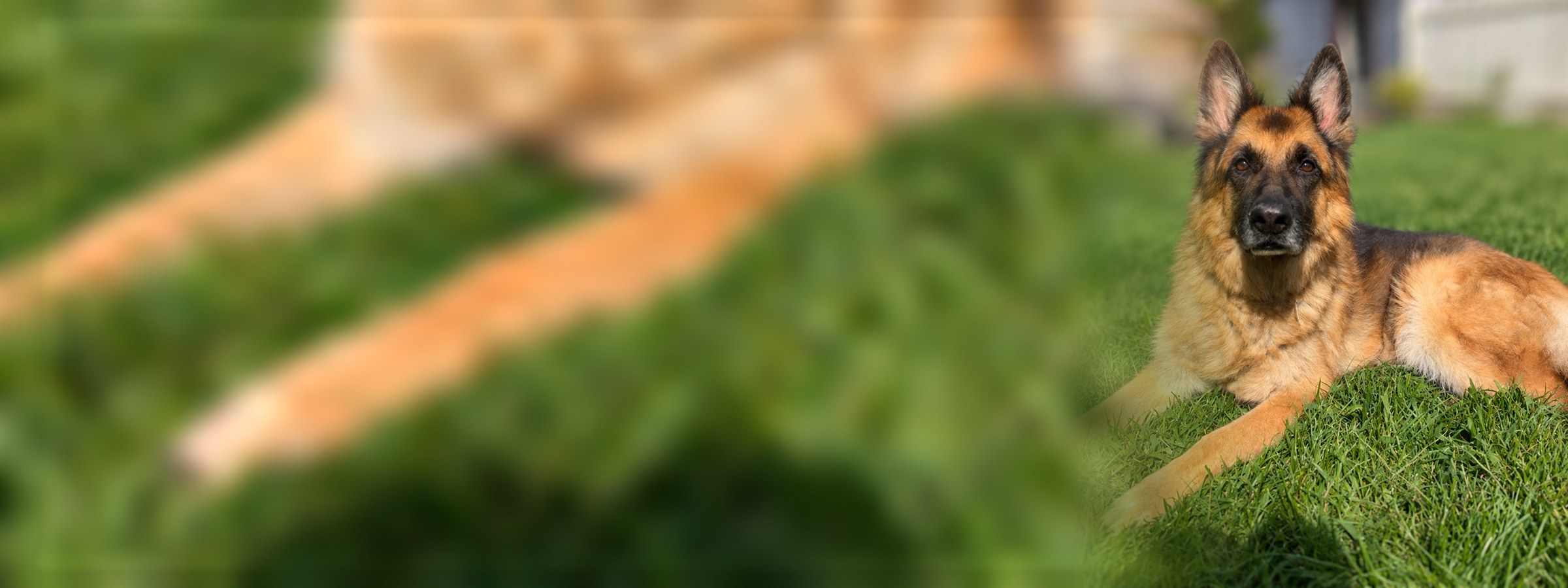
Dogs are scary.Dogs aren't scary.
Except that's not really how learning seems to work. (And, of course, some dogs actually are scary.)

Research suggests that when we learn something new about a feared situation, the original fear learning isn't necessarily erased. Instead, we create new learning alongside it. So, when we encounter the situation again, the newer learning competes with the older fear learning to be the one we use.
This changes how we think about helping an anxious child.
Two Paths in the Sand
Imagine that when you learn something, it creates something like a channel in the sand. It's the path your brain tends to follow when it encounters that situation again.
Your child's brain has a well-worn channel:
When I see a dog, it might bite me.
Like water flowing through sand, the brain naturally follows the channel that's already there. The more it's used, the deeper that channel becomes.
So, we start to do exposures with the child. We don't necessarily get rid of that old fear channel. Instead, we're trying to carve a new channel alongside it. Each new experience can carve that new channel a little deeper, making it easier for the water to follow:
Seeing a dog doesn't mean it will bite me.

But there's a problem. If the child is already convinced the dog will bite, how do we get them close enough to a dog to have an experience that creates this new learning?
We can start by teaching them something else:
I can handle being scared.
It doesn't require the dog to be perfectly safe.
It doesn't require your child to stop feeling anxious.
It doesn't require you to prove that nothing bad will happen.
And once your child learns they can handle being scared, the benefit goes far beyond dogs.
I can handle feeling nervous when Mom leaves.
I can handle not knowing exactly what will happen.
I can handle walking into the classroom while my stomach feels awful.
I can handle this feeling.
This is learning your child can carry from one situation to another.
So What Do We Say When They're Scared?
Our instinct is often to convince a child that the thing they're afraid of isn't scary.
The dog isn't going to bite you.
There's nothing to be afraid of.
You're going to be fine.
But maybe that's not always the most important thing for them to learn.
Sometimes the message is simpler:
I know you're scared. And I know you can handle being scared.
Your child doesn't have to learn that the world is never scary.
Sometimes it is.
The more powerful learning may be that they can feel scared and still move forward.